Change the Record: By Storm – “My Ghost Go Ghost”
It is a hectic month for new album releases. We just saw drops from J. Cole, Charli XCX, Baby Keem, and Bruno Mars. While I have a busy schedule ahead, I consider it vital to cover lower-profile releases. Underground music keeps the industry exciting for me; it is the music that most consistently pushes boundaries. I cannot ignore these gems just because a more popular record is released at the same time.
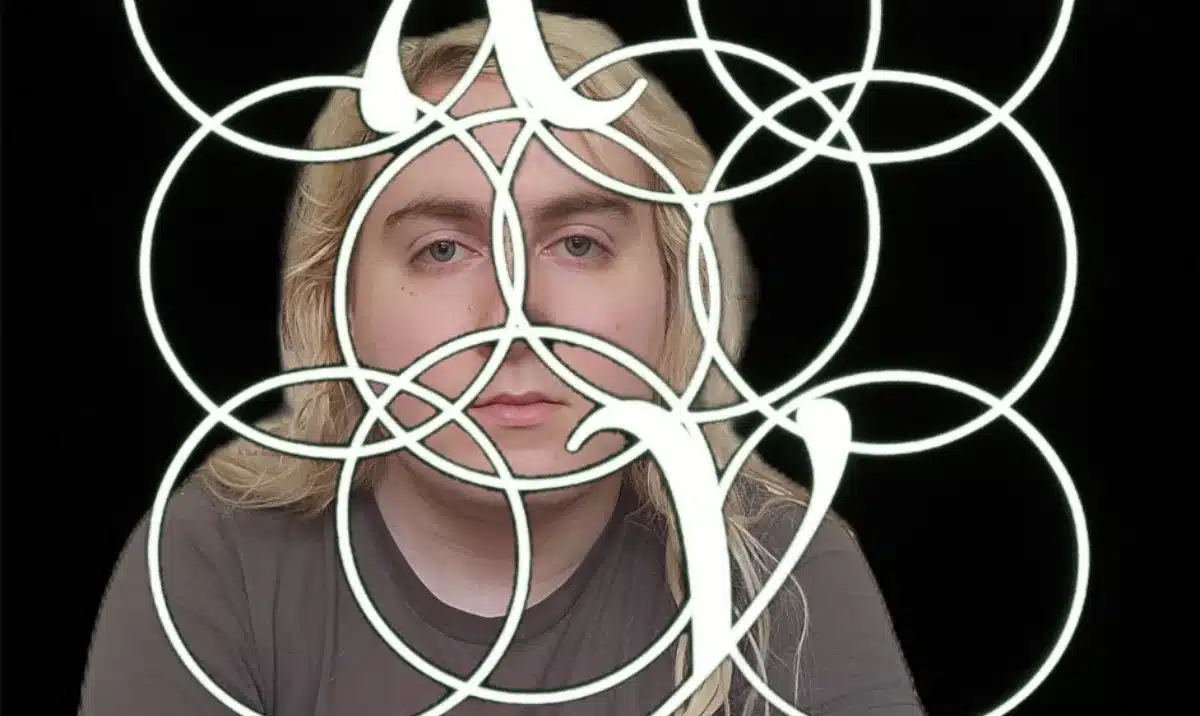
The artists in the spotlight today are By Storm, an experimental hip-hop duo composed of producer Parker Corey and rapper Nathaniel Ritchie. The duo is “technically” new, having formed from the remains of the former hip-hop trio Injury Reserve. Originally, Injury Reserve consisted of Corey, Ritchie, and the late Stepa J. Groggs. The group underwent a massive sonic evolution over the years. Their early mixtapes, such as “Live from the Dentist Office” and “Floss,” were largely jazzy, hardcore hip-hop projects defined by passion and fun. They were off-kilter but remained approachable for those with a tolerance for distorted beats.
Their 2019 self-titled debut album continued this high-energy sound but increased the focus on industrial palettes, experimental beat selections, and irregular rhythms. However, everything changed with the onset of the COVID-19 pandemic and, most significantly, the sudden death of Groggs at age 34. Their final album as Injury Reserve, “By the Time I Get to Phoenix,” was released shortly after. It is an extremely experimental, off-the-wall project that defies distinct genres, blending pure electronic, industrial, hip-hop, and indie rock elements. It was an album born from grief, and it shows.
Following that release, Corey and Ritchie retired the Injury Reserve name to pursue new endeavors. Ritchie released a solo album titled “Triple Digits” in 2024, which was ambitious but perhaps contained too many ideas to fully succeed. This year, fans finally received new material from the pair under their new moniker with the debut album, “My Ghost Go Ghost.”
“My Ghost Go Ghost” departs significantly from the sounds of its predecessor. While “By the Time I Get to Phoenix” was overwhelmingly hectic and chaotic, “My Ghost Go Ghost” offers a more singular sonic experience. It is much softer, with indie folk and indie rock influences appearing even more prominently. Although it remains predominantly hip-hop, the album features calming guitar riffs contrasted with controlled bursts of distorted synths and 808s. The result is a project that is far more emotionally contemplative than the previous outpouring of grief.
The opener, “Can I Have You for Myself?” exemplifies this shift. It is a slow, guitar-driven track where Ritchie somberly “sing-raps” before the song bursts open at the end with pounding, driven drums. Unlike most slow-burn music, it does not reach a traditional crescendo; instead, it feels as if it crumbles into something primal. Other tracks, such as the ominous “Grapefruit” and the ghostly “In My Town,” showcase Ritchie’s diverse delivery. On “Grapefruit,” his voice is focused and punchy, producing some of the smoothest flows on the album. This pairs perfectly with Corey’s dark, slow-paced production, giving the track the feel of a horror movie—especially with the layered repetitions of the title. On “In My Town,” Ritchie’s voice shifts between despondent and quietly panicked tones. Combined with the downbeat guitar, it creates a shadowy atmosphere that defines much of the album.
The record includes several other tracks in this vein, including “Zig Zag” and “Best Interest,” the latter of which is so low-tempo and brooding that it feels emotionally exhausting. The only songs that deviate from this formula are the final three tracks, starting with “Double Trio 2,” a sequel to a previous standalone single. The beat is triumphant and bursting with an energy absent from the rest of the album, featuring Ritchie’s most impassioned vocals.
Themes of death and coping run throughout the project. While most tracks feel like a mournful wallowing, “Double Trio 2” and the follow-up, “And I Dance,” feel like hopeful steps forward. The album closes with “GGG,” a heartfelt goodbye to their late bandmate. The beat is guitar-focused like the first half of the record, but it is notably brighter and more plucky. It is not exactly a happy track—it remains rife with regret and uncertainty—but it is not despairing. It suggests that sadness is a necessary part of the healing process.
“My Ghost Go Ghost” feels like the first truly great album of the year. It is emotionally potent, expertly produced, and filled with the kind of experimental ambition that makes me adore music. Few albums feel as emotionally focused as this one. Simply put, it is beautiful, and I hope the process helped Corey and Ritchie heal.

Hello there stranger, this is Kate Megathlin, writer for weekly music reviews for the Seattle Collegian, here to assert how much more important her opinions are than yours. She is a Seattle Central student with a major love of music and music culture, and every week she’ll try to deliver reviews of new albums coming out, if you want to recommend albums for her to review, email her at Kate.Megathlin@seattlecollegian.com.