Oh, to be young and poor in the Emerald City
Life in Seattle is objectively different for each individual who lives here, though the struggles each person faces—or rather, the root of them—are much more similar than they seem. Student life in Seattle, for example, although it can vary from person to person, has some universal truths.
College is expensive. Most students work to cover tuition or support themselves. The Seattle area is among the most expensive cities to live in and be self-sufficient, especially in this economy.
This cultural context weighs heavily on the average adult around college age, and sometimes the only thing they can do for themselves is try to have a good time. However, this city can feel like it’s actively trying to deter people from having that good time.
Many factors contribute to the gentrification of Seattle, but its effects weigh heavily on the mental health of students and young adults. The truth is in how much Seattle residents actually interact with third spaces and the affordable venues that once existed.
During the early 2000s and 2010s, economic downturns showed conditions similar to the COVID-19 recession and the Great Recession. During that time, music and media often emphasized going out and enjoying life despite financial hardship. Songs such as “Time of Our Lives” by Pitbull and Ne-Yo captured the people yearning for the time of their lives.
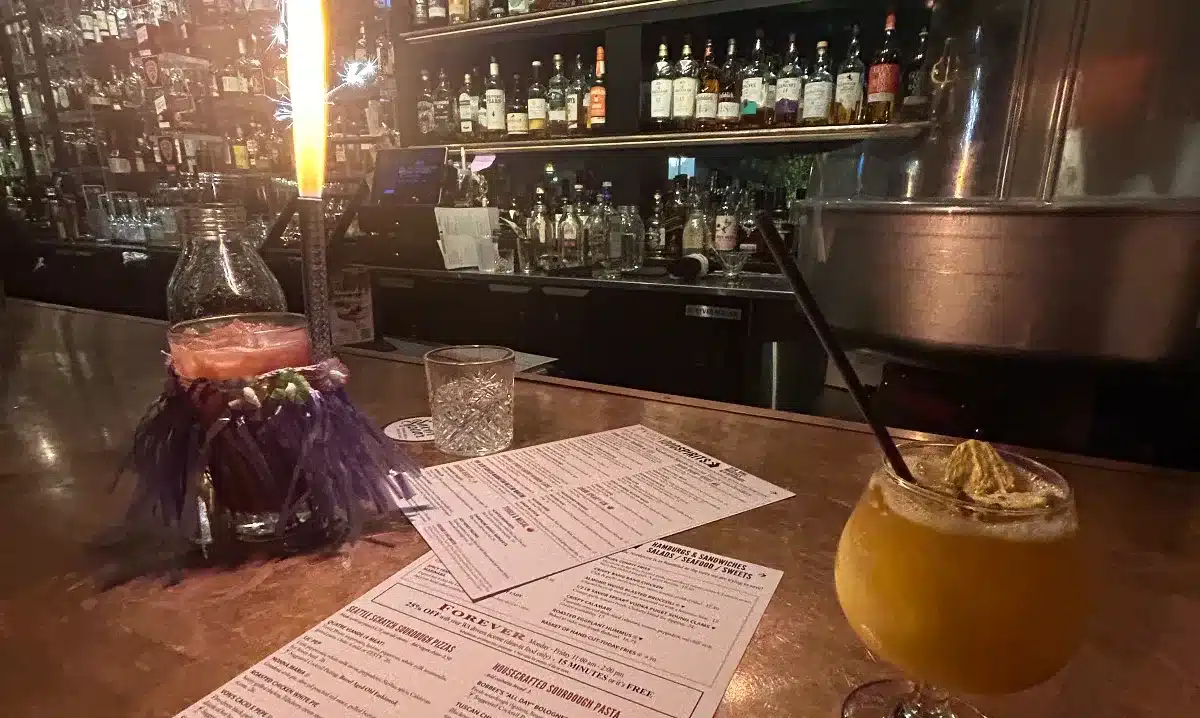
People want to have fun anyway—even when rent is due and money is short—still wanting a margarita and a night out with their people. One typical night in Seattle, however, often makes that difficult. A margarita can cost $20, and all of your friends are still on the clock and have an early-morning shift.
Students are unable to engage in and indulge in the things that could alleviate their stress. Instead, they simply have to sit with it, choosing between saving limited funds and spending their last $20 on a shot. The culture is no longer euphoric, stress-relieving, or community-based.
As a result, many people avoid spending money they do not have and choose to stay home. Venues lose revenue and close, and organizers lose motivation to create accessible spaces. This cycle leaves room for large corporations and predatory pricing to dominate the spaces that were once full of culture and community.
People often say there’s nothing to do in Seattle, yet they don’t make the effort to look or pour into their communities in the first place. But another reason Seattleites feel like there’s nothing to do in their city is because no one is highlighting actual “things to do,” or what is being highlighted isn’t fun, is super expensive, is sold out, or is just predatory.
We tend not to consider that multiple things can be true at the same time. While living in a city like Seattle is not ideal for combating structured loneliness, the community that is needed is present, just overlooked. The responsibility often falls on the individual.
Investing in third spaces, community organizations, and genuine, trustworthy establishments will enable the environment for places like this to thrive. It might take time, but the cost of community is inconvenience.
Part of that mission is putting the lens on some pre-existing affordable nightlife. Empathy is the best weapon against the “Seattle Freeze” and the perfect tool to use when considering where to eat or what to do with the rest of the night.
The Capitol Hill and Central District area is a hotspot for nightlife for a reason. There are plenty of food and bar options, like The Twilight Exit, Lil Woody’s, or Dave’s Hot Chicken. But being downtown isn’t necessary for good eats. Pick-Quick closes at 10 p.m. but serves a great, cheap burger in SoDo. Mama Sambusa, on Rainier Avenue, is open late and has a pretty extensive menu.
The local options have multiplied, especially with the Super Bowl only a ways away. There are taco stands, family-owned pizzerias, African businesses, and Indian restaurants open until 1 a.m. or 2 a.m. all throughout the downtown area. Chinatown has always had a large array of late-night food options.
Staying downtown isn’t necessary for a good drink either; options like Star Brass Works in Georgetown or the Revelry Room in West Seattle, which is Black-owned, try to keep the spirit alive while staying away from the congestion. The unique choices and active culture present are genuinely uplifting and reminiscent of a Seattle culture lost to the ages.
Thinking that small choices are unimportant, or that the decisions made by lawmakers and officials do not matter, is where opportunities slip away from the individual. People forget it’s always about money––for example, Amazon closing its Fresh stores due to a “poor business model.”
Putting the money where the mouth is will eventually push conglomerates out of spaces that should be occupied by locals and the community, benefiting young adults rather than exploiting them.
Empathy must be the cure, and people must take on responsibilities they didn’t feel were necessary before—especially in the small choices they make, the things they do and say, and the way they treat others.
The future of the city depends on residents recognizing the power of small choices, choosing community over convenience, and empathy over apathy to embody the true definition of a “sanctuary city.” While it may be isolating and exhausting, change begins when people nurture the community in which it exists.
Every small act––pouring into venues and local businesses, simply just showing up––helps rebuild the dying culture. Reviving that spirit of connection is not just possible but essential for the soul of the city, as it isn’t dead, just waiting to be reclaimed.

Satrn
Hello! My name is Satrn, and I am a writer here at the Collegian. My main focus for my studies is literature and American history, but I have a lot I am interested in pursuing academically. There isn't too much to say about me without boring you to death. I'm a cat mom, I love to read, and I'm literally always looking for someone to game with, so lmk! I guess other than that, I can let you get to know me through my writing, byee!